Live 3D moving map
Worldwide coverage, with the aircraft rendered as a 3D model matched to your actual airframe. Passengers pan, zoom and switch between views themselves.
Robin · Optional · iOS & Android
The CSS-100 runs in the browser — passengers scan a QR code and they're in, with nothing to install. Robin does the same job for crew and frequent flyers who'd rather tap an icon than scan a placard every flight.
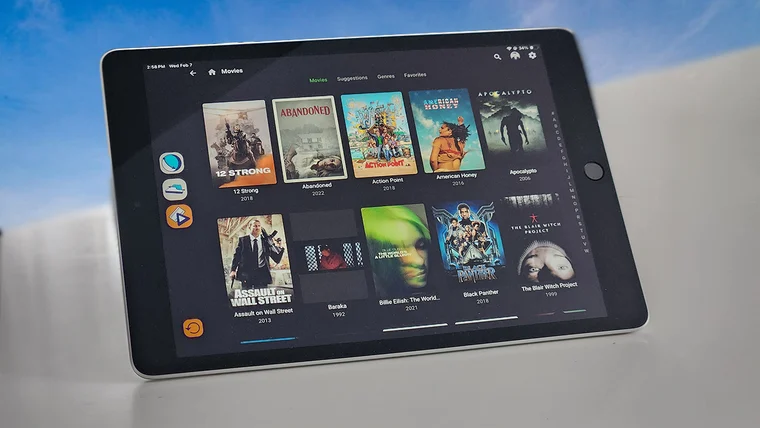
What passengers get
Worldwide coverage, with the aircraft rendered as a 3D model matched to your actual airframe. Passengers pan, zoom and switch between views themselves.
Altitude, speed, time to destination and route progress, presented for passengers rather than for pilots.
Audio and video streamed from the CSS-100 to the device. The library is loaded on the unit, so nothing depends on a connectivity plan.
Customised POIs surface the landmarks, cities and destinations that matter on the routes you actually fly.
Interface
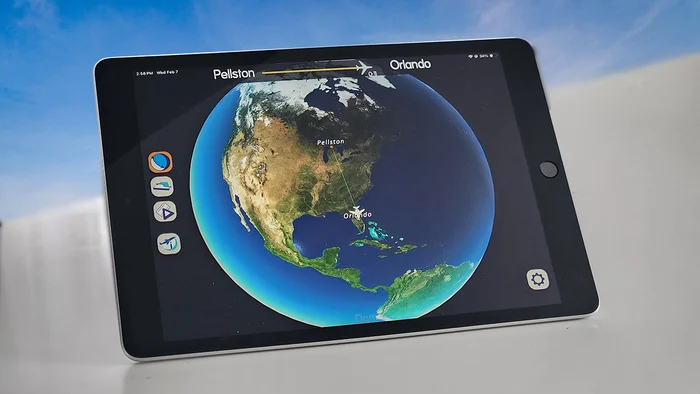
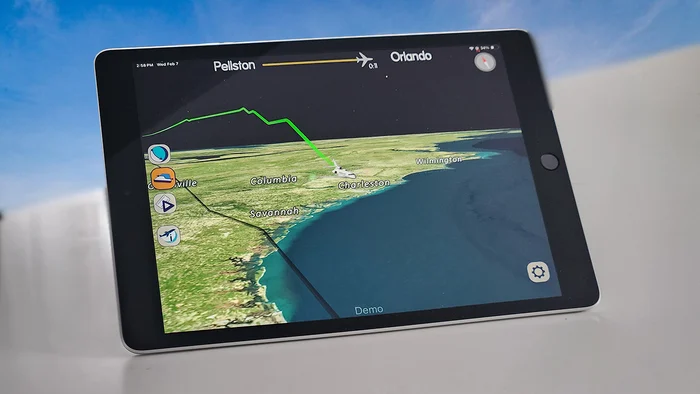
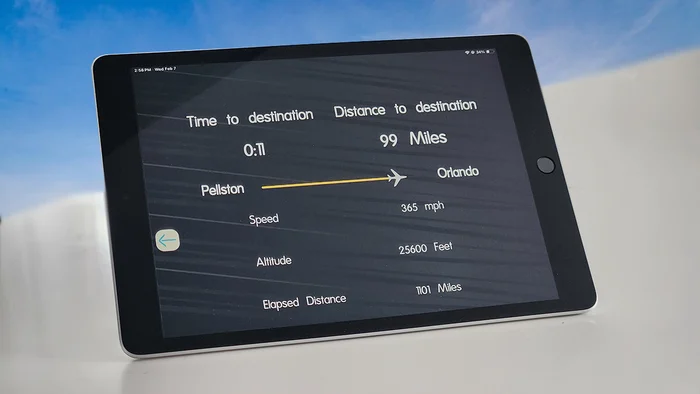
Getting connected
Both routes reach the same system, support all types of devices, and can carry your own logo and branding.
Choosing
Both routes reach the same system and show the same four screens. The difference is not capability, it is who is using it and how often.
Guests, clients and anyone flying with you once. Nothing to install, no account to create, no App Store visit before departure. They scan the placard and they are in — which is the only thing that reliably works on a first flight.
Crew, owners, principals and frequent flyers — the people boarding this cabin every week. For them, tapping an icon they already have beats finding and scanning a code every single leg.
If you are equipping a charter operation, the browser route is the one that matters, because almost every passenger is a first-time user. More on cabin IFE for charter and mixed fleets →
What it needs
Robin is a way into the CSS-100, not a service you sign up for. There is no account to create and no profile to maintain, because the app is not talking to anything except the unit in the cabin.
That also means it does not need connectivity. The media library is loaded on the CSS-100 itself, so the map, the flight data and the content all come from the unit a few feet away rather than from a satellite link. A tail without a connectivity plan delivers exactly the same experience as one with it, and nothing you watch consumes your bandwidth.
Before you fly
The one thing worth planning: install Robin before boarding, while you still have a normal internet connection. The App Store and Google Play are not reachable from the cabin network, because that network connects devices to the CSS-100 rather than to the internet.
This is precisely why the browser route exists and why we treat it as the default. A passenger who arrives without the app has lost nothing — they scan the code and get the same system. Robin is a convenience for people who know they will be back, not a prerequisite for anyone.
Made yours
What passengers see is configured around your operation rather than shipped as one generic build. The aircraft on the moving map is a 3D model matched to your actual airframe and livery, not a stand-in silhouette for the type. Points of interest are chosen for the destinations you actually fly. Your logo is carried through the interface.
That configuration follows the unit, so it is identical in the browser and in Robin, and identical on whichever aircraft the unit is carried aboard. Because the CSS-100 is loose equipment rather than an installed system, the aircraft it is carried onto can change without any of that setup changing with it.
We'll arrange a live demonstration on your aircraft type.